Strigoi : The Undead Shadow
Listen
At a glance
| Description | |
|---|---|
| Origin | Romanian Mythology |
| Classification | Spirits |
| Family Members | N/A |
| Region | Romania |
| Associated With | Vampirie, Blood sucking |
Strigoi
Introduction
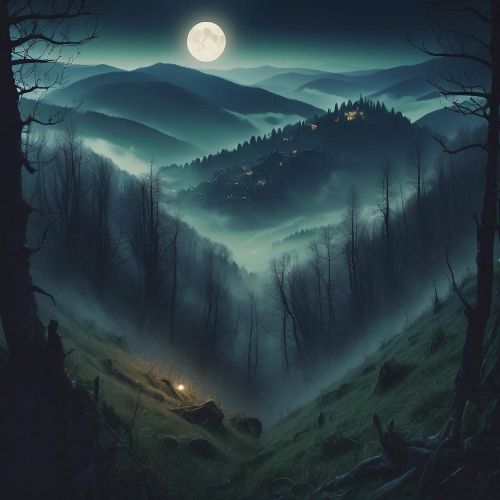
The Strigoi are among the most haunting figures in Romanian mythology—restless spirits or undead beings that blur the line between life and death. The word Strigoi comes from the Romanian a striga, meaning “to scream” or “to call out,” perfectly capturing their eerie and malevolent nature. These entities are widely regarded as the true predecessors of the modern vampire, with legends predating and heavily influencing Western interpretations such as Bram Stoker’s Dracula. In Romanian folklore, Strigoi can be either living people with supernatural abilities or the reanimated dead who rise from their graves to prey upon the living. Their myth blends ancient Dacian spiritual beliefs, Slavic traditions, and Christian burial customs, forming a complex folklore that continues to fascinate historians and horror enthusiasts alike.
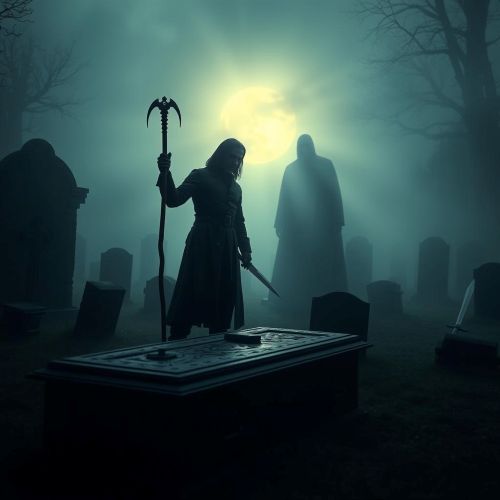
At their core, Strigoi represent the unquiet dead—souls denied peace due to improper burial, sinfulness, or unresolved ties to the mortal world. They are said to drain vitality, spread disease, and bring misfortune to families and communities. While their tales once served as cautionary folklore to explain plagues or sudden deaths, they have since evolved into cultural icons of Romania’s gothic landscape, symbolizing the eternal fear of what lies beyond the grave.
Physical Traits
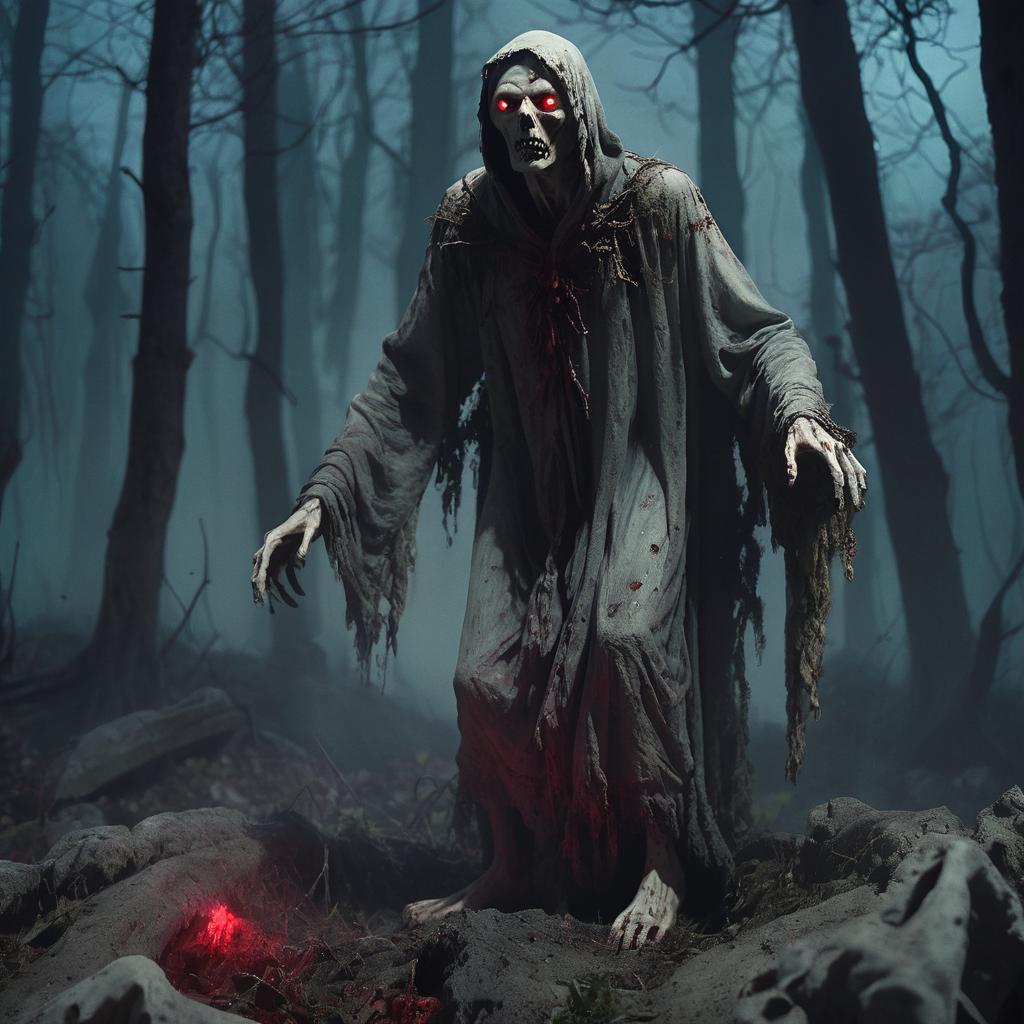
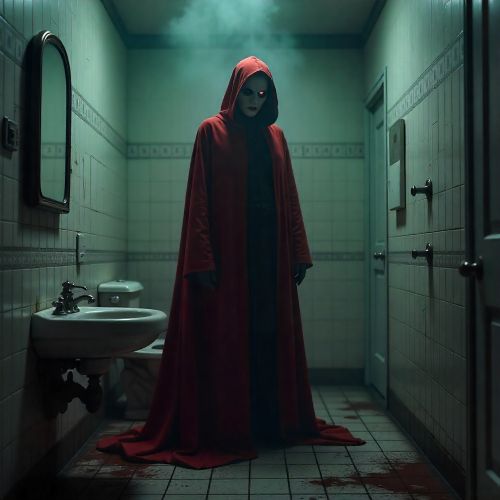
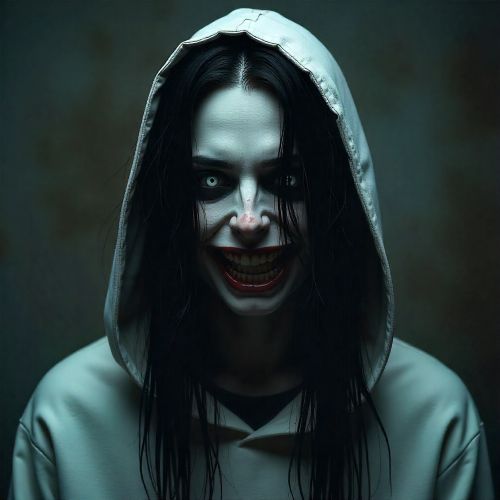
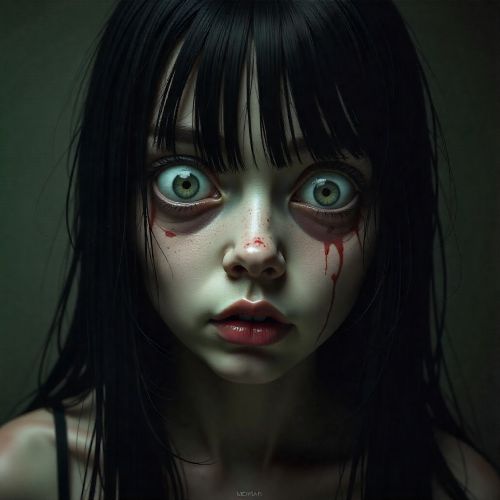
Descriptions of the Strigoi vary across regions, but they are almost always portrayed as ghastly and disturbing in appearance. In their corporeal form, Strigoi resemble decaying humans with pale or greyish skin stretched tightly over their bones. Their eyes are often described as glowing red or green, burning with an unnatural light, and their fingernails grow long and sharp, resembling claws. Some versions say their hair continues to grow after death, and their skin becomes waxy and cold to the touch. In contrast to Western vampires, who are often romanticized as elegant figures, the Strigoi are grotesque and monstrous—embodiments of decay itself.
Yet not all Strigoi are physical. Some legends describe Strigoi vii, or “living Strigoi,” who are humans cursed with vampiric tendencies during life. These individuals might appear completely normal by day but leave their bodies at night as spirits or shadows to feed on others. Their dual existence adds to their mystery, blurring the boundaries between human and undead. Whether spectral or corporeal, the Strigoi’s form always mirrors their corruption and hunger for life’s essence.
Family
One of the most chilling aspects of the Strigoi myth is its connection to family. Folklore often warns that Strigoi first return to torment their own kin. After death, a family member who becomes a Strigoi is believed to visit loved ones at night, draining their energy and causing mysterious illnesses. Families stricken by repeated deaths or misfortune sometimes blamed a Strigoi ancestor, prompting villagers to exhume the body to perform anti-vampiric rituals.
Romanian traditions hold that certain birth conditions can predispose individuals to becoming Strigoi. The seventh child of the same sex, children born out of wedlock, or those with physical anomalies such as a caul or extra nipple were considered at risk. Likewise, those who died before baptism, committed suicide, or lived impious lives were believed doomed to rise after burial. To prevent this transformation, the deceased might be buried face down, with iron nails, garlic, or holy water to keep them from rising. These practices reveal the deep cultural anxiety surrounding death and spiritual contamination within Romanian folklore.
Other names
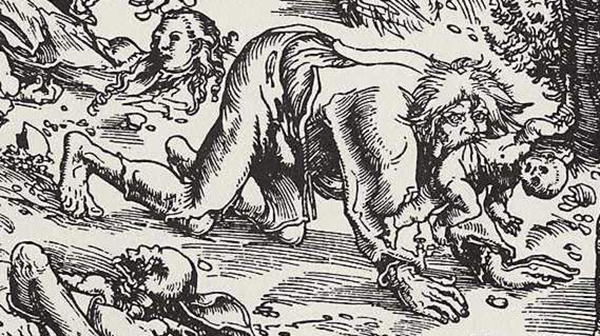
The mythology surrounding the Strigoi is linguistically rich, with numerous related terms that reflect variations across Romania and neighboring cultures. The feminine form, Strigoaică, describes a witch-like female Strigoi, often portrayed as both a sorceress and a blood-drinker. Moroi are sometimes confused with Strigoi but usually refer to living vampires or ghostly children who rise from their graves. Vârcolac and Pricolici share traits with both Strigoi and werewolves, highlighting the fluid boundaries between these supernatural categories.
The word Strigoi itself shares etymological roots with the Latin strix, meaning “screech owl,” a creature believed in Roman mythology to suck the blood of infants. This linguistic link suggests the Strigoi are descendants of much older Mediterranean and Balkan vampiric legends. Similar beings exist across Eastern Europe—the Albanian Shtriga, the Greek Vrykolakas, and the Slavic Upir—each with distinctive local interpretations but united by the same core fear: the dead’s return to feed upon the living.
Powers and Abilities
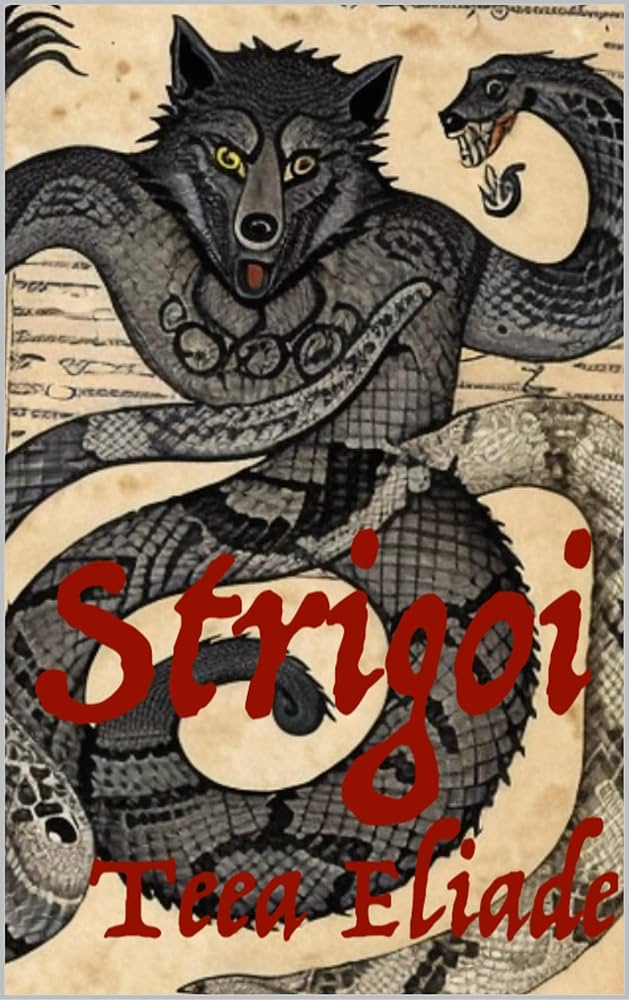
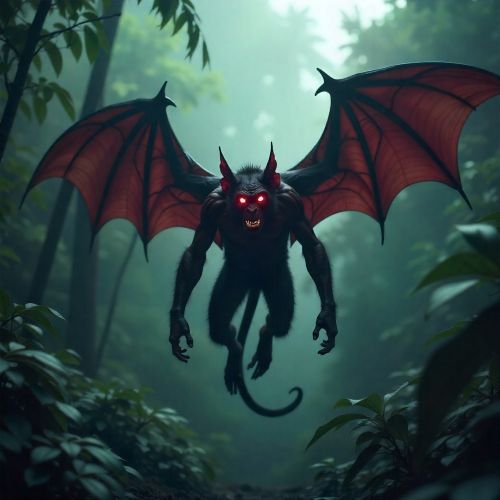
Strigoi possess a wide range of supernatural powers that make them formidable and terrifying. Chief among these is their ability to drain vitality or blood, sustaining themselves on the life force of humans and animals alike. This act not only nourishes them but strengthens their undead bodies, allowing them to maintain a semblance of life. Many accounts describe Strigoi as shapeshifters, capable of taking the form of wolves, bats, cats, or even insects to stalk their prey unseen. This ability connects them to both vampire and werewolf traditions, reinforcing their place as ultimate predators.
In some regions, Strigoi are said to control weather, bringing storms, droughts, or hail as acts of vengeance. They may also inflict disease, with outbreaks in villages historically attributed to their presence. The more spiritual Strigoi vii can separate their souls from their bodies at night to travel in spectral form, entering homes to suffocate sleeping victims or drain their energy through dreams. Others are believed to move objects through telekinesis or exert a hypnotic influence over the living, bending minds to their will. These abilities, both physical and metaphysical, establish the Strigoi as beings that dominate every realm—earthly, spiritual, and psychological.
Despite their power, folklore offers methods to defeat or neutralize a Strigoi. Common remedies include driving a wooden stake through the heart, burning the corpse, or scattering poppy seeds to distract the creature until sunrise. Holy symbols, prayers, and consecrated objects are also believed to repel them. These protective rituals reflect humanity’s enduring attempt to impose order over chaos and ensure peace for the dead.
Modern Day Influence
The legend of the Strigoi has transcended rural superstition to become a cornerstone of modern vampire mythology. Bram Stoker’s Dracula—though inspired by the historical figure Vlad the Impaler—owes much of its essence to Strigoi folklore, particularly the themes of resurrection, bloodlust, and nocturnal predation. In contemporary Romanian culture, Strigoi continue to appear in films, novels, and video games, often reimagined as tragic or morally complex figures rather than mindless monsters.
Despite modernization, belief in the Strigoi persists in some Romanian villages, where old rituals are occasionally revived to prevent or combat supposed vampiric hauntings. The mythology has also become a point of national identity and cultural tourism, drawing visitors to Transylvania and other regions steeped in vampire lore. Internationally, Strigoi-inspired stories have influenced franchises such as The Witcher, Castlevania, and The Strain, all of which reinterpret the creature through a darker, more folkloric lens.
In essence, the Strigoi embodies the eternal tension between life and death, faith and superstition, fear and fascination. Its continued relevance across centuries and cultures demonstrates not only the timeless appeal of the undead myth but also Romania’s vital contribution to the global imagination of horror.
Related Images
 What Were Odin’s Riddles, and Why Were They Deadly?
 Akan Caribbean Mythology: African Beliefs That Crossed the Atlantic
 Why the Solar Solstice marked the most powerful days of the ancient world
 Solar Equinox in Ancient Belief: Light, Darkness and Divine Harmony
 Saptamatrika : The Seven Mother Goddesses Who Shape Cosmic Power
Source
Cantemir, D., & Burada, T. (1882). Datinile Poporului român la înmormântări.
Fang, V. (2018). Strigoi – Myths and Legends about Romanian Vampires. Vampire Facts Network. https://www.vampirefacts.net/famous-vampires/strigoi/
Giles, P. (2018, June 28). The Strigoi. Shipwreck Library. https://shipwrecklibrary.com/vampire/strigoi/
Hedeşan, O. (2004, January 3). Strigoi. Wikipedia. https://en.wikipedia.org/wiki/Strigoi
Miller, R. (2025). Vampires in Eastern European Folk Beliefs. Folklore Press.
Reclus, É. (2022, July 17). Strigoi [Mythology]. Real Vampires Amino. https://aminoapps.com/c/realvampiresamino/page/item/strigoi-mythology/xpdV_xqqIQI6P4Db6b7qX7KvrKVLon8PEPd
Stoker, B. (1897). Dracula. Archibald Constable and Company.
Wright, M. (2017, October 26). The History of the Modern Vampire. F Yeah History. https://fyeahhistory.wordpress.com/2017/10/26/the-history-of-the-modern-vampire/
Hedeșan, O. (2013). Mythological Micro-Systems in Romanian Folklore. Journal of Balkan Studies, 22(3), 45–62.
Florescu, R. (1994). In Search of Dracula: The History of Dracula and Vampires. Houghton Mifflin.
McNally, R. T. (1983). Dracula Was a Woman: In Search of the Blood Countess of Transylvania. McGraw-Hill.
Eliade, M. (1972). Shamanism: Archaic Techniques of Ecstasy. Princeton University Press.
Popescu, C. (2010). Romanian Superstitions and Folklore. Bucharest Folklore Institute Press.
Frequently Asked Questions
What is lorem Ipsum?
I am text block. Click edit button to change this text. Lorem ipsum dolor sit amet, consectetur adipiscing elit. Ut elit tellus, luctus nec ullamcorper mattis, pulvinar dapibus leo.
What is lorem Ipsum?
I am text block. Click edit button to change this text. Lorem ipsum dolor sit amet, consectetur adipiscing elit. Ut elit tellus, luctus nec ullamcorper mattis, pulvinar dapibus leo.
What is lorem Ipsum?
I am text block. Click edit button to change this text. Lorem ipsum dolor sit amet, consectetur adipiscing elit. Ut elit tellus, luctus nec ullamcorper mattis, pulvinar dapibus leo.
What is lorem Ipsum?
I am text block. Click edit button to change this text. Lorem ipsum dolor sit amet, consectetur adipiscing elit. Ut elit tellus, luctus nec ullamcorper mattis, pulvinar dapibus leo.
What is lorem Ipsum?
I am text block. Click edit button to change this text. Lorem ipsum dolor sit amet, consectetur adipiscing elit. Ut elit tellus, luctus nec ullamcorper mattis, pulvinar dapibus leo.