Uchelianged: The High God of Heaven in Palauan Belief
Listen
At a glance
| Description | |
|---|---|
| Origin | Palauan Mythology |
| Classification | Gods |
| Family Members | N/A |
| Region | Micronesia |
| Associated With | Creation |
Uchelianged
Introduction
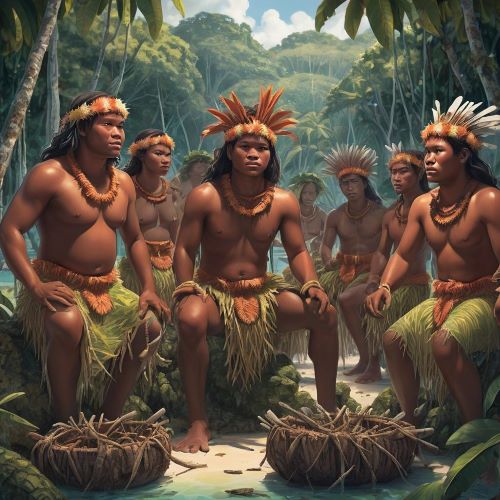
Uchelianged holds a central place in Palauan mythology, revered as the supreme god of heaven. His stories are intricately woven into the cultural identity of Palau, representing more than just folklore; they carry important ethical lessons and historical significance. Through narratives centered around Uchelianged, the Palauan people convey values related to morality, environmental stewardship, and the interconnectedness of all living beings. His influence is particularly evident in the creation myths that illustrate the deep bond between the Palauan community and their natural surroundings, especially the ocean, which plays a vital role in their way of life.
Physical Traits
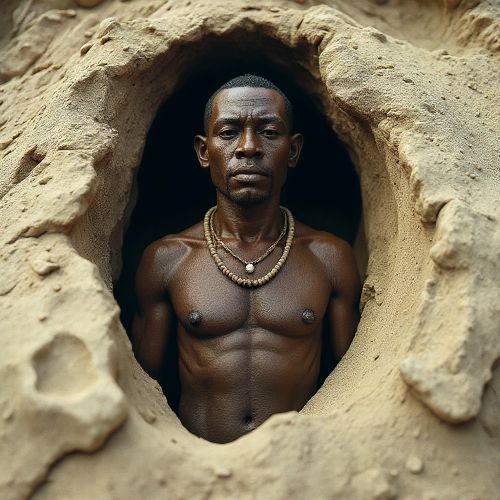
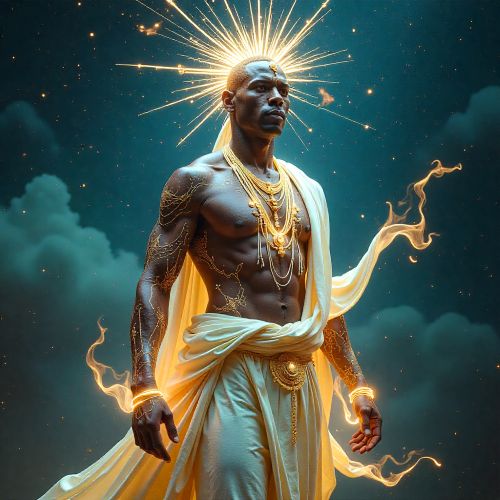
In Palauan mythology, Uchelianged is portrayed as a majestic and powerful figure, embodying a blend of human-like traits and extraordinary supernatural qualities. He is often envisioned as towering and robust, suggesting immense strength that reinforces his role as a protector and ruler of the natural world. While specific descriptions of his appearance may vary, his skin is typically depicted in vibrant hues, reflecting the rich colors of nature, such as the ocean’s deep blue and the lush greens of the islands. This striking physicality not only emphasizes his divine origins but also symbolizes his dominion over creation, with his presence intricately linked to the sky and the heavens.
Family
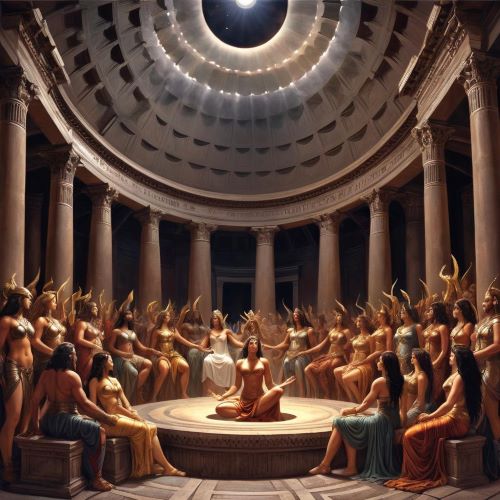
Uchelianged’s family ties are intricately linked to the rich tapestry of Palauan mythology. Often regarded as the father of significant deities, including the goddess Ngesiab, he occupies a crucial role in the pantheon. His lineage extends beyond divine beings to include humans, marking him as a foundational figure in Palau’s cosmology. This aspect of his character adds depth to the narratives, influencing his relationships with other gods, ancestors, and humanity. One compelling tale illustrates his role as a patriarch: Uchelianged dispatches seven tekiimeláb—beings that are part human and part god—to seek out the individual who dared to pluck the eye of the Keeper of the Tides. This story underscores his authority and the respect he commands within the divine hierarchy.
Other names
Uchelianged is known by several names across different regions and contexts, reflecting his status as a significant figure in Palauan mythology. In some variations, he is simply called “the high god,” which highlights his supreme rank among divine beings. Other localized interpretations of his name focus on specific traits or relate to particular myths, linking oral traditions to the ritual practices of Palauan culture. The name “Uchelianged” itself derives from “uchel,” meaning god, and “eanged,” meaning heaven, emphasizing his role as the deity of the heavens and the foremost god in the mythological framework of Palau.
Powers and Abilities
Uchelianged is revered for his immense powers, which encompass creation, destruction, and transformation. Often regarded as the architect of the islands, he is credited with shaping the landscape through his divine intent. His abilities include manipulating natural elements, such as controlling tides, weather, and land fertility. Beyond these roles, Uchelianged serves as a protector of his people, using his strength to maintain harmony in nature and promote the well-being of Palauan communities. During times of environmental disasters or social unrest, people frequently call upon his divine intervention, underscoring his vital influence in their lives.
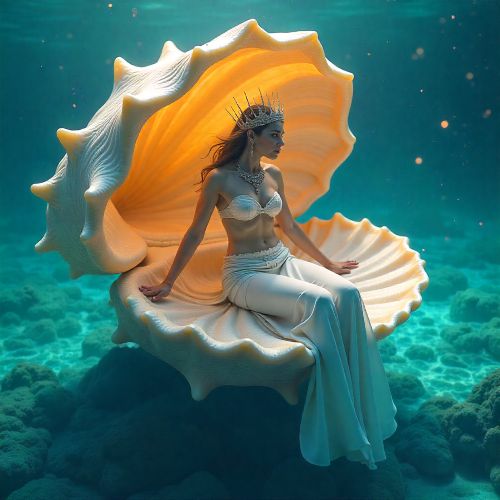
In Palauan creation myths, Uchelianged is pivotal in forming the islands and their marine inhabitants. One legend narrates how he gazed upon the barren sea and commanded the emergence of land, leading to the creation of Palau. Additionally, he opened a giant clam, releasing the first sea creatures into the waters. These acts of creation highlight his capacity to shape the natural world and bring forth life.
Modern Day Influence
The legacy of Uchelianged remains a vital part of contemporary Palauan society, influencing various cultural expressions and community life. His stories are recounted not only in traditional storytelling sessions but also in modern literature, visual arts, and music. The themes associated with Uchelianged, such as harmony with nature and the significance of social values, resonate deeply with current environmental issues and the global focus on sustainability.
Additionally, Uchelianged’s narratives are integral to festivals and ceremonies that celebrate Palauan heritage and foster community unity. His figure often emerges in conversations about environmental conservation, serving as a symbol of the traditional ecological wisdom that informs sustainable practices within Palauan culture. This connection inspires younger generations to be stewards of their land and resources, demonstrating Uchelianged’s relevance in addressing contemporary challenges.
Despite the influence of Western culture, elements of Palauan mythology, including Uchelianged’s tales, continue to thrive in modern society. These ancient narratives are preserved through oral traditions, art, music, and dance, acting as a cultural anchor for the Palauan people. The enduring respect for Uchelianged and other deities highlights the strong bond between the Palauan community and their mythological heritage. Modern retellings and interpretations ensure that his legacy remains vibrant and influential.
Related Images

 What Were Odin’s Riddles, and Why Were They Deadly?
 Akan Caribbean Mythology: African Beliefs That Crossed the Atlantic
 Why the Solar Solstice marked the most powerful days of the ancient world
 Solar Equinox in Ancient Belief: Light, Darkness and Divine Harmony
 Saptamatrika : The Seven Mother Goddesses Who Shape Cosmic Power

Sources
Belau National Museum. (n.d.). Palauan oral traditions and cultural heritage.
https://belau.palau.edu/our-culture/oral-traditions
Micronesian Seminar. (n.d.). Traditional beliefs and cosmology of Palau.
https://www.micsem.org/pubs/articles/culture/frames/palaubeliefsfr.htm
Smithsonian National Museum of Asian Pacific American History. (n.d.). Indigenous knowledge systems in Micronesia.
https://apa.si.edu/collections/indigenous-pacific-knowledge
University of Hawaiʻi at Mānoa, Center for Pacific Islands Studies. (n.d.). Micronesian cosmology and oral traditions.
https://www.hawaii.edu/cpis/research/micronesian-culture
Barnett, H. G. (1949). Palauan society: A study of contemporary native life in the Palau Islands. University of Oregon Press.
Hijikata, H. (1993). Belau and its people: Palauan customs and oral traditions. Belau National Museum.
Rubinstein, D. H. (Ed.). (1995). Ancestral voices: Micronesian oral traditions. University of Hawaiʻi Press.
Rubinstein, D. H. (1987). Myth, history, and power in Palau. The Journal of Pacific History, 22(1), 24–37. https://doi.org/10.1080/00223348708572621
Frequently Asked Questions
Who is Uchelianged in Palauan belief?
Uchelianged is the supreme sky god and highest divine authority in Palauan tradition, credited with creating the islands, the sea, and the natural order of life.
Is Uchelianged the creator god of Palau?
Yes. In Palauan creation narratives, Uchelianged commands land to rise from the sea and brings life into the ocean, establishing the world as it is known.
What does the name Uchelianged mean?
The name derives from Palauan words meaning “god” and “heaven,” emphasizing his role as the divine ruler of the sky and the cosmos.
Does Uchelianged control the ocean and nature?
Uchelianged governs both sky and sea, and his myths emphasize balance between land, ocean, and humanity rather than domination.
Is Uchelianged still important in modern Palauan culture?
Yes. His stories continue to influence Palauan identity, environmental values, oral traditions, and cultural education today.