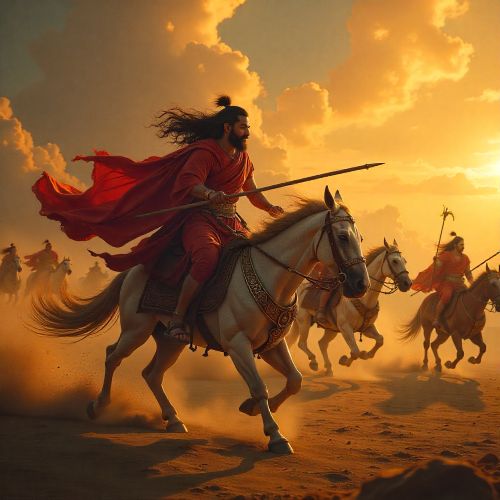
Epic of Gilgamesh
Listen
At a glance
| Attribute | Description |
|---|---|
| Mythology | Mesopotamian Mythology |
| Language Written | Akkadian |
| Age | ~2100 BCE |
| Author | Sin-leqi-unninni |
| Main Characters | Gilgamesh, Enkidu, Utnapishtim, Ishtar, Shamhat |
Epic of Giglamesh
Introduction
The Epic of Gilgamesh is widely recognized as the world’s oldest surviving literary masterpiece, originating in ancient Mesopotamia over four thousand years ago. This epic poem recounts the life and transformation of Gilgamesh, the semi-divine king of Uruk, whose extraordinary strength and ambition drive him on a journey from tyranny to wisdom. At its heart, the Epic of Gilgamesh explores universal human questions—mortality, friendship, and the quest for meaning in an impermanent world. Through its poetic narrative, the epic not only reflects ancient beliefs and values but also speaks to modern readers about the human struggle to find purpose beyond death.
Historical Background
The Epic of Gilgamesh originated around 2100 BCE in Sumer, where the earliest versions appeared as five independent poems written in Sumerian. These stories celebrated Gilgamesh as a historical king of Uruk who likely ruled around 2700 BCE. Over centuries, the tales evolved into Akkadian versions, eventually compiled during the Old Babylonian period (circa 1800 BCE). The most refined version—known as the Standard Babylonian version, Sha naqba īmuru or “He Who Saw the Deep”—was composed by the scholar-priest Sin-leqi-unninni between 1300 and 1000 BCE.
The poem was inscribed on twelve clay tablets in cuneiform script and preserved in royal libraries, including that of King Ashurbanipal in Nineveh. Rediscovered in the mid-19th century by archaeologists like Austen Henry Layard and translated by George Smith, the epic astonished scholars with its sophistication and its flood narrative, which closely resembled the story of Noah from the Hebrew Bible. The rediscovery of the Epic of Gilgamesh not only revolutionized our understanding of Mesopotamian civilization but also established it as a cornerstone of world literature—predating Homer’s Iliad and Odyssey by more than a millennium.
Synopsis & Themes
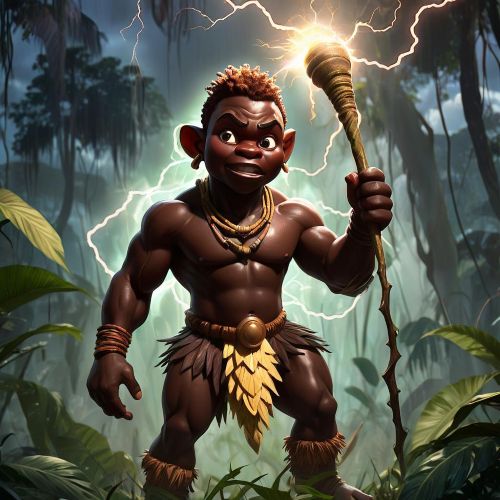
The Epic of Gilgamesh begins in the magnificent city of Uruk, where King Gilgamesh, two-thirds divine and one-third mortal, rules with arrogance. The gods respond to his tyranny by creating Enkidu, a wild man who lives among beasts. After being tamed by the temple priestess Shamhat, Enkidu challenges Gilgamesh, and their fierce battle ends in mutual respect and deep friendship.
Together, they undertake heroic quests to secure fame and glory. They journey to the Cedar Forest to slay the guardian monster Humbaba and later defeat the Bull of Heaven sent by the goddess Ishtar after Gilgamesh spurns her advances. Their victories, however, anger the gods, who decree that Enkidu must die as punishment. Enkidu’s death devastates Gilgamesh, awakening in him the realization of his own mortality.
Haunted by grief and fear, Gilgamesh embarks on a perilous journey to find Utnapishtim—the immortal survivor of a divine flood—hoping to discover the secret of eternal life. Along the way, he meets Siduri, the alewife, who advises him to cherish life’s simple pleasures. When he finally finds Utnapishtim, the immortal man tells him that eternal life is reserved for the gods alone. Gilgamesh fails the test of staying awake for seven nights and loses the plant of rejuvenation to a serpent. Returning to Uruk, he accepts the inevitability of death and finds peace in the enduring legacy of his city’s great walls.
The themes of the Epic of Gilgamesh—the inevitability of death, the power of friendship, the dangers of pride, and the pursuit of wisdom—remain profoundly human. It portrays the transformation of a mortal king into a man who understands that immortality lies not in living forever but in the memory of one’s deeds.
Key Characters
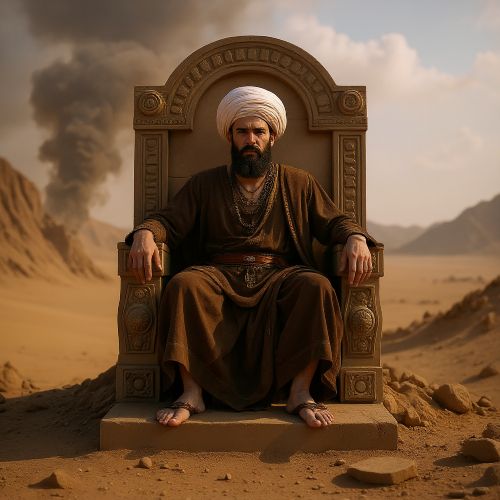
Gilgamesh, the semi-divine king of Uruk, is two-thirds god and one-third human, embodying both divine strength and human vulnerability. Over the course of the Epic of Gilgamesh, he evolves from a proud and oppressive ruler into a wise and introspective leader through the trials of loss and self-discovery. His counterpart, Enkidu, is a wild man created by the gods to humble him; their deep friendship transforms Gilgamesh’s heart, and Enkidu’s death becomes the catalyst for his quest for immortality. The temple priestess Shamhat plays a pivotal role in civilizing Enkidu, symbolizing the power of human connection and the shift from nature to culture. The goddess Ishtar, embodying love and war, introduces divine conflict into the story when her wrath leads to Enkidu’s demise, underscoring the theme of divine retribution. Humbaba, the monstrous guardian of the Cedar Forest, represents the untamed forces of nature that humanity strives to overcome through courage and ambition. Utnapishtim, the immortal survivor of the Great Flood, serves as a Mesopotamian parallel to Noah and becomes the source of divine wisdom that reveals the futility of Gilgamesh’s pursuit of eternal life. Lastly, Siduri, the wise tavern keeper, counsels Gilgamesh to find contentment in mortal existence, delivering the epic’s profound message that true fulfillment lies not in escaping death but in embracing the beauty of life itself.
Cultural & Religious Significance
The Epic of Gilgamesh occupies a vital place in Mesopotamian religion and worldview. It reflects a polytheistic belief system where gods shaped human destiny but were unpredictable and often punitive. Gilgamesh’s divine ancestry underscores the concept of sacred kingship, while his mortality emphasizes that even those favored by the gods must face death.
The flood narrative told by Utnapishtim bears remarkable similarities to later traditions such as the biblical story of Noah and the Greek tale of Deucalion. These parallels suggest that the Epic of Gilgamesh influenced—or at least shared roots with—many ancient flood myths, making it a bridge between Mesopotamian theology and subsequent world religions.
The poem also illuminates Mesopotamian attitudes toward the afterlife. Enkidu’s vision of the underworld describes a dim realm where all souls, noble or wicked, exist in shadow. This grim perspective on death reinforces the epic’s central theme: life’s true value lies in human experience, relationships, and achievements, not in eternal existence.
Moreover, the epic served as both entertainment and moral instruction for ancient audiences. It conveyed lessons on humility, justice, and divine order while celebrating human resilience. Its continued preservation through centuries of Assyrian and Babylonian culture attests to its importance as a philosophical and spiritual text that transcended its own era.
Modern Adaptations
Since its rediscovery, the Epic of Gilgamesh has continued to captivate modern audiences and inspire creators across disciplines. Poets like Rainer Maria Rilke, translators such as Stephen Mitchell and Andrew George, and scholars like Sophus Helle have reinterpreted the text for contemporary readers. Each translation reveals new dimensions of the poem’s emotional and existential depth.
In popular culture, echoes of the Epic of Gilgamesh appear in novels, graphic adaptations, and films exploring immortality, loss, and human purpose. Works such as Hayao Miyazaki’s Princess Mononoke and Neil Gaiman’s mythic narratives draw subtle influence from Gilgamesh’s journey. Even modern storytelling in science fiction and fantasy—where heroes grapple with mortality and divinity—owes a debt to the framework first established by this ancient epic.
Today, the Epic of Gilgamesh endures as a foundational text in comparative mythology, religious studies, and philosophy. Its timeless exploration of friendship, mortality, and self-awareness ensures its relevance across generations. Through Gilgamesh’s transformation from a prideful king to a wise man who embraces the limits of human life, the epic reminds us that greatness lies not in living forever—but in living with meaning.
Source
Dalley, S. (2000). Myths from Mesopotamia: Creation, the Flood, Gilgamesh, and Others. Oxford University Press.
George, A. R. (2003). The Epic of Gilgamesh: The Babylonian Epic Poem and Other Texts in Akkadian and Sumerian. Penguin Classics.
Kramer, S. N. (1981). History Begins at Sumer: Thirty-Nine Firsts in Recorded History. University of Pennsylvania Press.
Michalowski, P. (2021). “Epic of Gilgamesh.” In The Oxford Encyclopedia of Ancient Egypt. Oxford University Press.
Civilizations Saga. (2024, February 14). The Epic of Gilgamesh: An In-Depth Exploration of Ancient Mesopotamian Literature. https://civilizationsaga.com/the-epic-of-gilgamesh/
Britannica. (2025, October 9). Epic of Gilgamesh | Summary, Characters, & Facts. https://www.britannica.com/topic/Epic-of-Gilgamesh
EdBlogs. (2021, July 26). The Epic of Gilgamesh – Mesopotamia. https://edblogs.columbia.edu/worldepics/project/gilgamesh/
Pressbooks NVCC. (2025). Historical Background of Gilgamesh. https://pressbooks.nvcc.edu/app/uploads/sites/78/2025/04/Gilgamesh_HistoricalBackground_ENG250.pdf
Tigay, J. H. (2002). The Evolution of the Gilgamesh Epic. Bolchazy-Carducci Publishers.
Sandars, N. K. (1972). The Epic of Gilgamesh. Penguin Books.
Foster, B. R. (2001). The Epic of Gilgamesh: A Norton Critical Edition. W. W. Norton & Company.
Frequently Asked Questions
What is lorem Ipsum?
I am text block. Click edit button to change this text. Lorem ipsum dolor sit amet, consectetur adipiscing elit. Ut elit tellus, luctus nec ullamcorper mattis, pulvinar dapibus leo.
What is lorem Ipsum?
I am text block. Click edit button to change this text. Lorem ipsum dolor sit amet, consectetur adipiscing elit. Ut elit tellus, luctus nec ullamcorper mattis, pulvinar dapibus leo.
What is lorem Ipsum?
I am text block. Click edit button to change this text. Lorem ipsum dolor sit amet, consectetur adipiscing elit. Ut elit tellus, luctus nec ullamcorper mattis, pulvinar dapibus leo.
What is lorem Ipsum?
I am text block. Click edit button to change this text. Lorem ipsum dolor sit amet, consectetur adipiscing elit. Ut elit tellus, luctus nec ullamcorper mattis, pulvinar dapibus leo.
What is lorem Ipsum?
I am text block. Click edit button to change this text. Lorem ipsum dolor sit amet, consectetur adipiscing elit. Ut elit tellus, luctus nec ullamcorper mattis, pulvinar dapibus leo.