
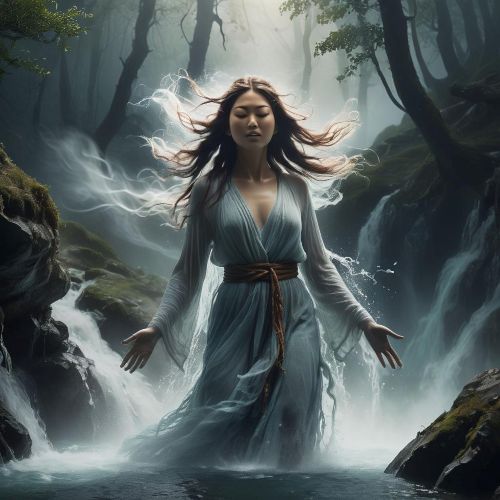
Turkic Spirits are an essential part of the mythological and spiritual traditions of the Turkic peoples, who inhabited vast regions across Central Asia, Siberia, and Anatolia. These spirits form the core of ancient belief systems that predate the arrival of major world religions in the region, reflecting the strong connection between people and the natural world around them. From mountain guardians to water dwellers and forest entities, Turkic Spirits were seen as intermediaries between humans and the cosmic forces that governed life, embodying both benevolence and danger depending on how they were treated.
In Turkic mythology, spirits often served as protectors of nature, tied to elements such as the sky, rivers, forests, and the underworld. Shamanic traditions emphasized communication with these beings through rituals, offerings, and songs that sought their guidance and blessings. Some Turkic Spirits were known to aid hunters and warriors, while others could bring illness, misfortune, or even natural disasters if disrespected. This duality reflected the worldview that the universe was balanced between good and evil, harmony and chaos, and that humans had to navigate this balance with respect and wisdom.
Among the most well-known Turkic Spirits are those connected to the sky and celestial phenomena. Spirits of thunder, lightning, and wind held great importance, often perceived as direct expressions of Tengri, the sky god, and his will. Other spirits resided in mountains, considered sacred places that bridged the earthly and divine realms. Lakes and rivers were also inhabited by powerful beings, believed to control fertility, harvests, and the cycles of life. Each tribe and community often had its own unique stories and rituals associated with these spirits, making them central figures in local folklore.
The role of Turkic Spirits was not only religious but also cultural, influencing daily practices, seasonal festivals, and the codes of respect for nature that still resonate today. Shamans, known as kam or bakhsi, acted as mediators with the spirit world, using trance, drumming, and chants to seek wisdom, healing, and protection. The spirits’ presence in epic tales and oral traditions emphasized their role in shaping values such as bravery, loyalty, and reverence for the natural order. Over centuries, as Turkic peoples migrated and mingled with other cultures, these spirits continued to adapt, blending with Islamic and local beliefs while retaining their distinct identity.
Today, the legacy of Turkic Spirits lives on in cultural revivals, folklore festivals, and academic research that highlights their enduring influence on the heritage of Central Asia. They remain symbolic of the deep bond between humanity and the natural world, offering timeless lessons on coexistence, respect, and balance. For those exploring the myths and legends of Turkic peoples, Turkic Spirits open a window into an ancient worldview where every river, mountain, and storm carried a soul, and where the unseen world was as real and vital as the one visible to the human eye.
Turkic Spirits are an essential part of the mythological and spiritual traditions of the Turkic peoples, who inhabited vast regions across Central Asia, Siberia, and Anatolia. These spirits form the core of ancient belief systems that predate the arrival of major world religions in the region, reflecting the strong connection between people and the natural world around them. From mountain guardians to water dwellers and forest entities, Turkic Spirits were seen as intermediaries between humans and the cosmic forces that governed life, embodying both benevolence and danger depending on how they were treated.
In Turkic mythology, spirits often served as protectors of nature, tied to elements such as the sky, rivers, forests, and the underworld. Shamanic traditions emphasized communication with these beings through rituals, offerings, and songs that sought their guidance and blessings. Some Turkic Spirits were known to aid hunters and warriors, while others could bring illness, misfortune, or even natural disasters if disrespected. This duality reflected the worldview that the universe was balanced between good and evil, harmony and chaos, and that humans had to navigate this balance with respect and wisdom.
Among the most well-known Turkic Spirits are those connected to the sky and celestial phenomena. Spirits of thunder, lightning, and wind held great importance, often perceived as direct expressions of Tengri, the sky god, and his will. Other spirits resided in mountains, considered sacred places that bridged the earthly and divine realms. Lakes and rivers were also inhabited by powerful beings, believed to control fertility, harvests, and the cycles of life. Each tribe and community often had its own unique stories and rituals associated with these spirits, making them central figures in local folklore.
The role of Turkic Spirits was not only religious but also cultural, influencing daily practices, seasonal festivals, and the codes of respect for nature that still resonate today. Shamans, known as kam or bakhsi, acted as mediators with the spirit world, using trance, drumming, and chants to seek wisdom, healing, and protection. The spirits’ presence in epic tales and oral traditions emphasized their role in shaping values such as bravery, loyalty, and reverence for the natural order. Over centuries, as Turkic peoples migrated and mingled with other cultures, these spirits continued to adapt, blending with Islamic and local beliefs while retaining their distinct identity.
Today, the legacy of Turkic Spirits lives on in cultural revivals, folklore festivals, and academic research that highlights their enduring influence on the heritage of Central Asia. They remain symbolic of the deep bond between humanity and the natural world, offering timeless lessons on coexistence, respect, and balance. For those exploring the myths and legends of Turkic peoples, Turkic Spirits open a window into an ancient worldview where every river, mountain, and storm carried a soul, and where the unseen world was as real and vital as the one visible to the human eye.
If you score 100% on any of our quizzes, you stand a chance to win an EXCLUSIVE gift from Mythlok!!