Tiktik: The Aswang Chronicles (2012)
| Description | |
|---|---|
| Country of Origin | Philippines |
| Language | Tagalog |
| Genre | Thriller |
| Cast | Dingdong Dantes, Lovi Poe, Joey Marquez, Janice de Belen, Roi Vinzon |
| Directed by | Erik Matti |

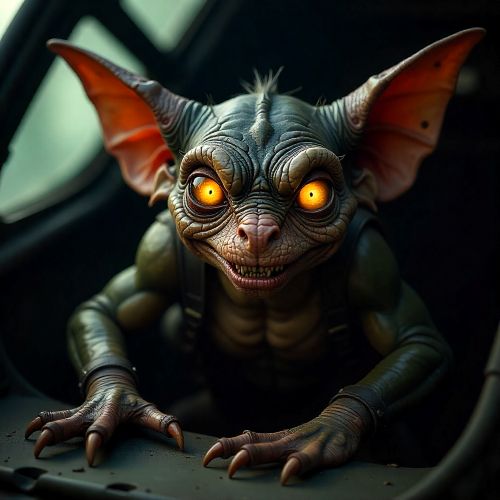
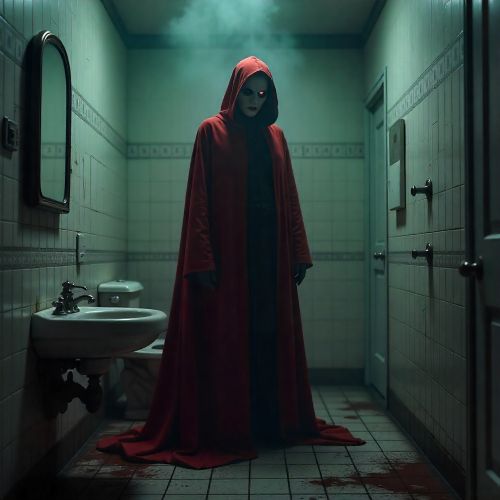
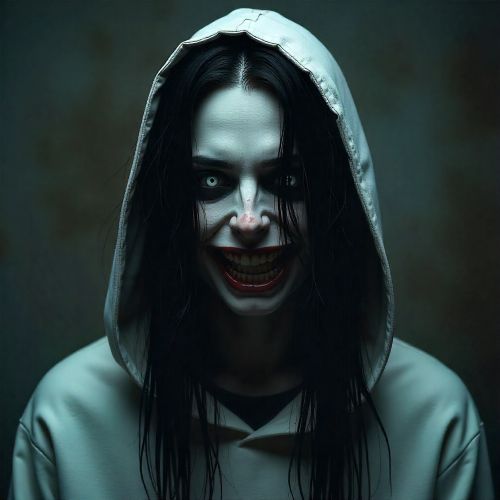
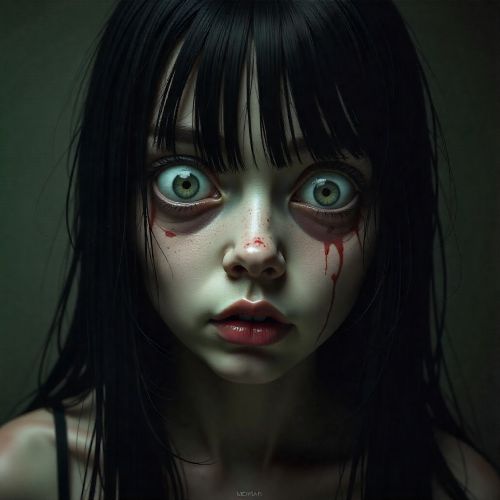
The 2012 Filipino movie Tiktik: The Aswang Chronicles is a groundbreaking film that merges traditional folklore with contemporary visual storytelling. As the first full-length Filipino film entirely shot on green screen, it captured attention for its technical achievements, but its deeper strength lies in how it revitalized one of the most enduring figures in Philippine mythology—the aswang. The film revolves around a man named Makoy who visits a provincial town, only to find himself battling the terrifying aswang when his girlfriend’s family becomes their target. This premise takes inspiration directly from age-old Filipino legends that describe the aswang as shape-shifting, flesh-eating creatures feared across generations.
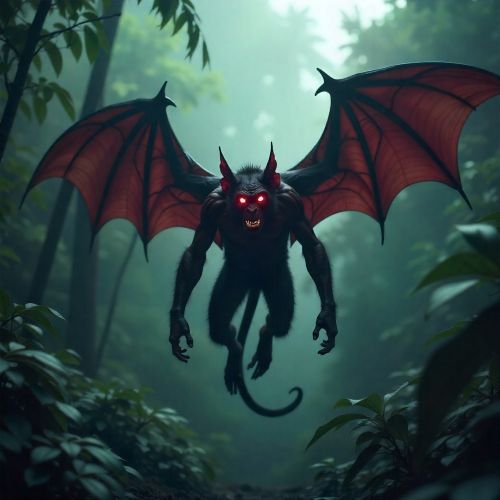
What makes Tiktik: The Aswang Chronicles particularly engaging is its faithful yet creative approach to myth. In Filipino folklore, the tiktik is known for the eerie sound it makes while hunting at night, with the volume of the sound often deceiving victims about the creature’s distance. The film uses this element effectively, making the tiktik’s call not just a background detail but a harbinger of fear. The aswang themselves are depicted as grotesque and monstrous, staying true to their folkloric reputation as predators of humans, especially pregnant women and unborn children. This detail is crucial, as it mirrors one of the oldest and most frightening aspects of Philippine mythology—that aswang prey on the vulnerable, making them not just physical threats but symbolic ones as well.
The movie also incorporates local superstitions and protective rituals against aswang, including the use of garlic, salt, and sharp objects as weapons. These details ground the film in cultural authenticity, reminding audiences that these beliefs are not just fantasy but have roots in centuries-old traditions. By showing how ordinary families defend themselves against supernatural forces, the film becomes more than just horror entertainment; it transforms into a modern-day retelling of how communities dealt with fears in the dark of the night.
Visually, the film combines exaggerated action and humor with horror, giving it a comic-book-like feel, yet the mythological undertones remain strong. While some critics pointed out the stylized violence and special effects as over-the-top, these elements do not overshadow the folklore. Instead, they amplify the monstrous qualities of the aswang, making their threat larger than life while still tied to ancient fears.
Watch Trailer
 What Were Odin’s Riddles, and Why Were They Deadly?
 Akan Caribbean Mythology: African Beliefs That Crossed the Atlantic
 Why the Solar Solstice marked the most powerful days of the ancient world
 Solar Equinox in Ancient Belief: Light, Darkness and Divine Harmony
 Saptamatrika : The Seven Mother Goddesses Who Shape Cosmic Power